
UzbékVietnamBasa Wales
- Xhosa
- Basa Yiddish
Yoruba
- Zulu
- KinyarwandaTatarOriya
- Turkmen
- Uighur
- Using galvanized fasteners can significantly reduce maintenance costs and the need for frequent replacements.
Galvanizing Process Overview
Purpose of Galvanizing
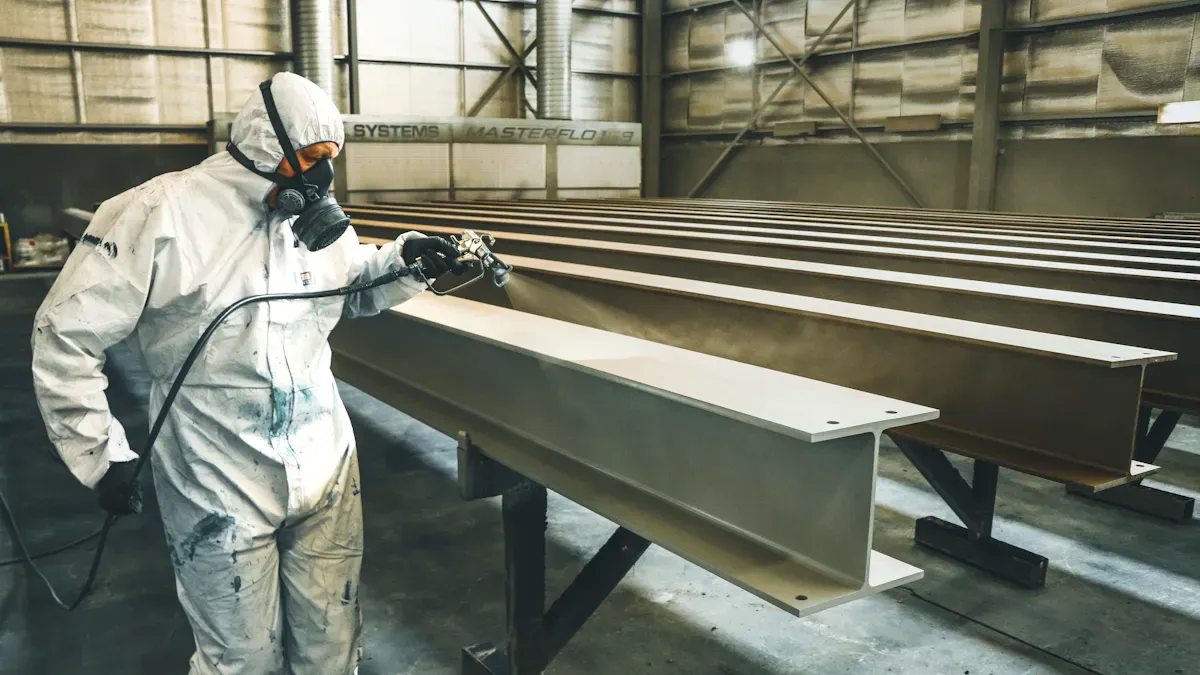
You want your fasteners to last, especially when they face moisture, chemicals, or heavy use. Galvanizing screws and nuts gives them a zinc coating that acts as a shield. This layer protects the metal underneath from rust and damage. When you use galvanized fasteners, you help them stay strong and reliable for a longer time. This protection means you do not need to replace or repair fasteners as often, which saves you money and effort. In factories and construction, this extra durability keeps equipment safe and working well.
Tip: Choosing galvanized screws and nuts can lower your maintenance costs and reduce the risk of failure in harsh environments.
How the Equipment Works
Screw and Nut Galvanizing Equipment uses several methods to coat fasteners with zinc. Each method creates a protective layer, but the process can look different depending on the equipment.
Here are the main stages you will find in the galvanizing process:
- Surface Preparation: You clean the steel fasteners by dipping them in chemical baths. This step removes dirt, grease, and other contaminants so the zinc sticks well.
- Galvanizing: You immerse the fasteners in molten zinc. The zinc reacts with the steel to form strong layers that protect against corrosion.
- Inspection: You check the coating to make sure it is thick enough and covers the whole fastener.
You can see the differences in how Screw and Nut Galvanizing Equipment works by looking at the main methods:
| Method | Description |
|---|---|
| Electroplating | You use electricity to deposit a thin, shiny layer of zinc on the fastener. |
| Mechanical Galvanizing | You tumble fasteners with zinc powder and glass beads to peen zinc on them. |
| Hot-Dip Galvanizing | You dip cleaned steel into hot zinc, creating a thick, tough coating. |
Some equipment uses a hot-dip process. You clean and pickle the steel, coat it with flux, then dip it in molten zinc at high temperatures. Afterward, you cool the fasteners quickly to lock in the protective layer. Other machines use tumbling and glass beads to press zinc onto the surface. Each method helps you get strong, corrosion-resistant fasteners for your projects.
Key Steps in Screw and Nut Galvanizing Equipment
Surface Preparation and Cleaning
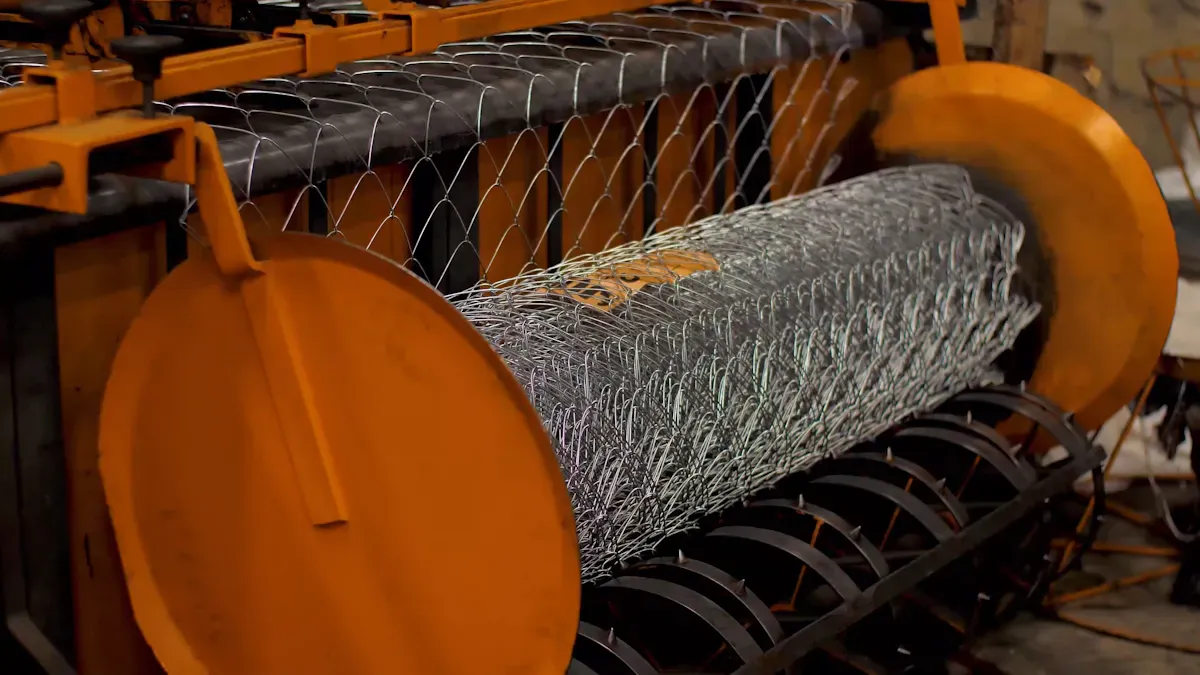
You start with surface preparation. This step removes dirt, grease, and rust from screws and nuts. Clean surfaces help zinc stick better. You use different cleaning methods to get the metal ready for coating. Here is a table showing the main cleaning steps:
| Step | Description |
|---|---|
| Caustic Cleaning | You immerse the metal in a degreasing solution to remove dirt, grease, and oil from the surface. |
| Acid Pickling | You dip the metal in hot sulfuric acid to remove light mill scale and rust. |
| Fluxing | You dip steel in a zinc ammonium chloride solution to remove oxides and promote zinc bonding. |
Screw and Nut Galvanizing Equipment often uses centrifugal force for thread cleaning. High-speed rotation removes excess molten zinc after the zinc bath. This process keeps threads clear and smooth. You avoid blockages and zinc buildup in small parts. Centrifugal cleaning works well for mass production and complex shapes.
Note: Centrifugal force ensures that threads stay open and ready for assembly. You get fasteners that fit and work as intended.
Hot-Dip Galvanizing Steps
You use hot-dip galvanizing to create a thick, durable zinc layer. The process follows these steps:
- Surface preparation: You clean and remove oxides to help zinc bond with steel.
- Galvanizing: You immerse fasteners in molten zinc. The zinc forms strong alloy layers.
- Inspection: You check the coating for thickness, appearance, and adhesion.
Hot-dip galvanizing coats all surfaces, including threads. Sometimes, zinc builds up inside nut threads. You need oversize tapping after hot-dip galvanizing. This step makes the threads larger so the nuts fit bolts properly. Without oversize tapping, nuts may not screw onto bolts because the zinc layer blocks the threads.
Tip: Oversize tapping helps you avoid problems with thread engagement after hot-dip galvanizing.
Mechanical Galvanizing Steps
Mechanical galvanizing uses a different method. You tumble fasteners with zinc powder and glass beads. The zinc sticks to the metal at room temperature. You do not use high heat or electricity. This process coats complex shapes without changing their size.
| Process Step | Mechanical Galvanizing | Hot-Dip Galvanizing |
|---|---|---|
| Coating Formation | Uses physical and chemical adsorption at room temperature and pressure. | Immersion in a zinc bath for high-temperature reactions. |
| Coating Thickness | Thinner on threads and grooves compared to flat surfaces. | Thicker and more uniform across surfaces. |
| Post-Plating Requirements | Nuts do not require back tapping; bolts above M12 do not need reserved tolerances. | Requires careful handling to maintain coating integrity post-dipping. |
| Effect on Fit and Properties | Does not affect fit or mechanical properties. | Can affect fit and may require adjustments post-coating. |
| Factors Affecting Quality | Particle size of zinc powder and feeding intensity affect coating quality. | Immersion time and temperature influence quality. |
Mechanical galvanizing keeps thread integrity. You avoid zinc buildup inside nut threads. You do not need oversize tapping. Fasteners fit together easily. This method prevents hydrogen embrittlement, which can weaken high-strength materials.
Callout: Mechanical galvanizing works well for screws and nuts with complex shapes. You get reliable fasteners that fit and function as designed.
Thread Tapping and Quality Control
You check threads after galvanizing. Quality control makes sure fasteners fit and work. You use overtapping to make threads larger before coating. After galvanizing, you retap nuts to clear any zinc buildup. Retapping leaves the female thread uncoated, but the male thread stays protected. This process prevents cross-threading and ensures easy assembly.
You inspect fasteners for coating thickness and thread engagement. You measure, look at, and test the zinc layer. Screw and Nut Galvanizing Equipment helps you produce fasteners that meet quality standards.
Alert: Quality control keeps your fasteners safe and reliable. You avoid problems during installation and use.
Comparison of Hot-Dip and Mechanical Galvanizing
Hot-dip galvanizing creates a thick, uniform coating. You need oversize tapping for nuts because zinc builds up in threads. Mechanical galvanizing forms a thinner layer. You do not need oversize tapping. Threads stay clear, and fasteners fit well. Both methods protect against corrosion, but mechanical galvanizing works better for complex shapes and high-strength materials.
Summary Table:
| Feature | Hot-Dip Galvanizing | Mechanical Galvanizing |
|---|---|---|
| Coating Thickness | Thick and uniform | Thinner, varies by surface |
| Thread Engagement | May require oversize tapping | No oversize tapping needed |
| Fit and Function | May need adjustments | Maintains original fit |
| Best Use | Simple shapes, outdoor use | Complex shapes, high-strength |
You choose the method based on your needs. Screw and Nut Galvanizing Equipment gives you options for strong, corrosion-resistant fasteners.
Technology in Screw and Nut Galvanizing Equipment
Types of Equipment Used
You find many machines working together in a modern galvanizing line. Each machine has a special job. Here are some common types you will see:
- Heating system
- Logistics system
- Elevator and powered lift
- Auxiliary equipment
- Environmental protection equipment
- Waste acid treatment equipment
- Acid mist treatment system
- Flux agent treatment system
- Zinc fume treatment system
- Waste water treatment equipment
- Fume hood or fume enclosure
- Zinc fume extraction system
You also use raw materials, chemicals, additives, and alloys for the galvanizing process. In an automatic line, a rotary centrifugation arm moves and rotates buckets for unloading. A cooling and passivation tank treats the pieces before packing. These machines help you handle large batches of screws and nuts with care.
Ensuring Zinc Bonding
You want the zinc to stick well to every screw and nut. First, you clean the bolts to remove oil, dirt, and rust. This step is important for strong adhesion. You treat the bolts with diluted hydrochloric acid or a special solution. This treatment helps the zinc bond to the metal. Next, you dip the bolts in a molten zinc bath heated to about 450 °C. The high temperature forms a strong bond between the zinc and the steel. After dipping, you cool the bolts in water or a chemical bath. This cooling step locks the zinc coating in place and makes it last longer.
Tip: Careful cleaning and the right temperature help you get a tough, even zinc layer.
Automation and Efficiency
You see big changes in production when you use automation. Machines move fasteners from one step to the next. Automatic transfer equipment lowers the need for manual labor. You get more consistent results because machines follow the same steps every time. Automation also reduces human error. This means you produce higher quality fasteners and save on labor costs.
| Galvanizing Method | Production Efficiency Impact | Suitability for Screws and Nuts |
|---|---|---|
| Thermal Diffusion Galvanizing | Slower, needs careful temperature control | Great for small parts, very durable |
| Mechanical Plating | No heat, good for delicate parts, thinner coatings | Best for small parts, not for high volume |
| Continuous Galvanizing | Very fast, best for large-scale production, only for flat or wire forms | Not for small, complex shapes |
| Hot-Dip Galvanizing | Fast and cost-effective for big batches, coating thickness may vary | Not ideal for detailed or intricate parts |
You choose the right method and equipment based on your needs. Screw and Nut Galvanizing Equipment helps you make strong, reliable fasteners for many uses.
Benefits of Galvanizing Screws and Nuts
Corrosion Resistance
You want your fasteners to stay strong when exposed to moisture and harsh environments. Galvanizing gives screws and nuts a thick zinc layer. This layer protects the steel underneath by corroding first. The zinc acts as a shield, so your fasteners last longer outdoors or in places with chemicals. Hot-dip galvanized nuts offer excellent corrosion resistance. You can use them for outdoor projects, knowing they will resist rust and damage. The zinc coating works well for complex shapes, making these fasteners versatile for many uses.
Note: Galvanized fasteners do not provide permanent protection. The zinc layer can wear down over time, especially in coastal or industrial areas.
Durability and Longevity
You get a longer service life with galvanized screws and nuts. Hot-dip galvanized fasteners can last up to 50 years in rural areas. In coastal regions, they may last 10 to 15 years. Electro-galvanized fasteners usually last only 3 to 7 years outdoors. Galvanized fasteners outperform other coatings in terms of longevity. You reduce the need for frequent replacements, saving time and money. Compared to stainless steel, galvanized fasteners have lower tensile strength and durability, but they still offer good protection in most environments.
| Type of Screw/Nut | Lifespan in Outdoor Applications |
|---|---|
| Galvanized Screws/Nuts | 20–50 years (rural), 10–20 years (industrial/coastal) |
| Zinc-Plated Screws | A few months to 2 years (dry climate), less than 1 year (humid/coastal) |
Application Considerations
You use galvanized screws and nuts in many industries. Automotive, marine, manufacturing, agriculture, and HVAC all rely on these fasteners. Galvanized fasteners secure engine parts, ship hulls, machinery, tractors, and ductwork. You benefit from reduced maintenance costs and extended lifespan. Galvanized steel requires minimal upkeep, leading to savings over time.
When you tighten galvanized fasteners, you may notice increased friction. The thick, rough coating can make assembly harder and affect bolt tension. You need to check for leaks or uneven fits, especially in critical applications. Screw and Nut Galvanizing Equipment helps you produce fasteners that balance protection and performance.
- Hot-dip galvanized fasteners suit outdoor and industrial uses.
- You save money with fewer repairs and replacements.
- Galvanized fasteners work well for complex shapes and high-volume needs.
Tip: Choose galvanized fasteners for projects where durability and cost-effectiveness matter most.
You have seen how screw and nut galvanizing equipment uses cleaning, fluxing, and zinc coating to protect fasteners. This process gives you bolts and nuts that last longer and resist rust.
- The zinc layer shields steel, even at corners and edges.
- Galvanized fasteners need less maintenance and work well in many industries.
| Industry | Key Benefit |
|---|---|
| Automotive | Better safety and lower repair costs |
| Marine | Strong protection in saltwater |
| Industrial | Keeps structures stable and safe |
When you understand galvanizing, you can choose the best fasteners for your project.
Post time: Mar-23-2026